
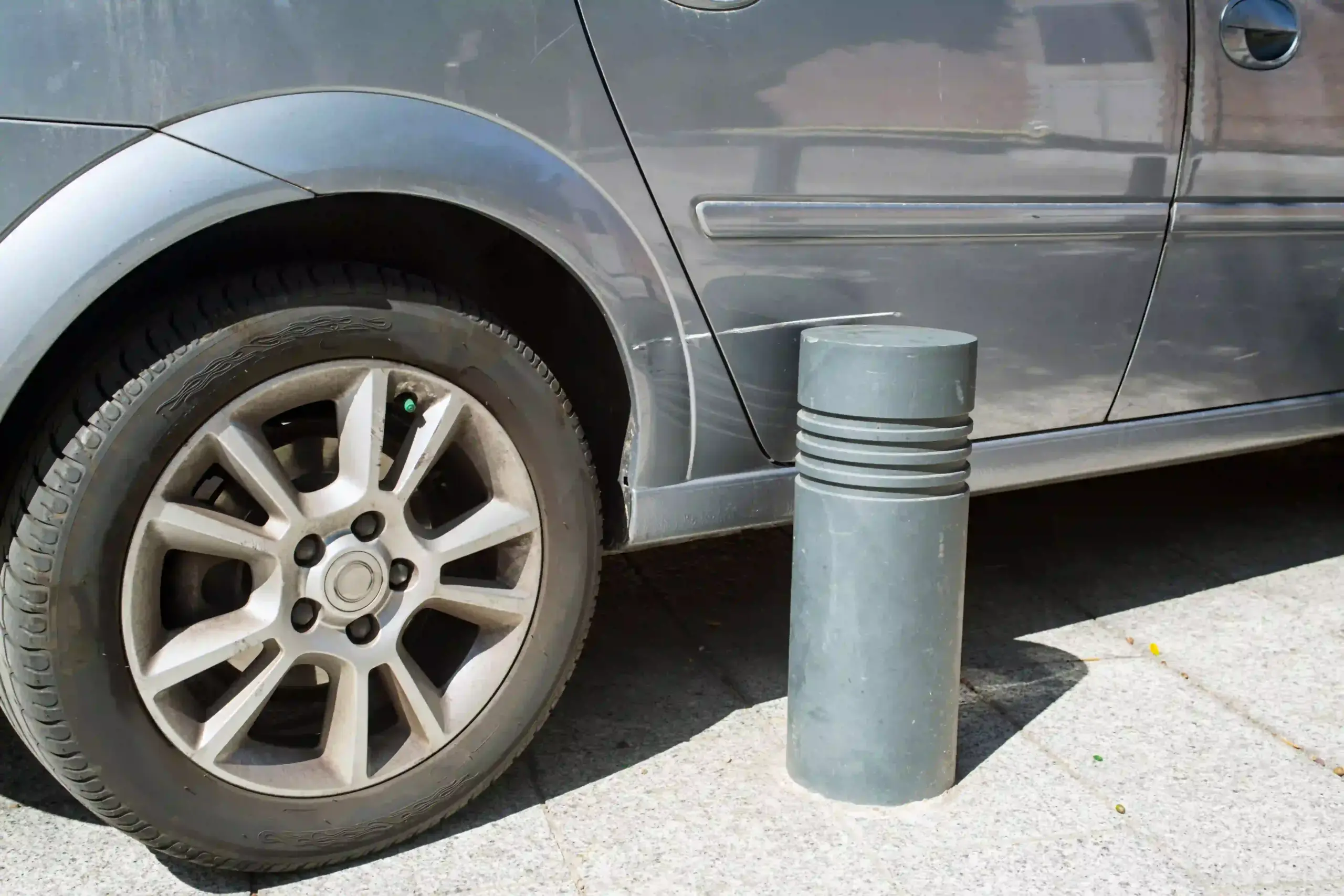
Not every dent gets fixed the same way, and figuring out the right method can save you both time and money. The signs your dent needs PDR are usually pretty easy to spot once you know what to look for, and in most cases, paintless dent repair is the faster, more affordable option. But there are situations where traditional bodywork is genuinely the better call. Here’s how to tell the difference before you book a repair.
If you’re ready to find out which category your dent falls into, our team at paintless dent repair can take a look and give you a straight answer.
What Makes a Dent a Good Candidate for PDR
Paintless Dent Repair works by gently reshaping metal from behind the panel, which only works when the paint itself is still intact. A few clear signs your dent needs PDR include:
- The paint isn’t cracked, chipped, or peeling at the dent site
- The dent is shallow and located on a flat or gently curved section of the body
- The metal hasn’t stretched or torn beyond its original shape
- The damage came from hail, a door ding, or a light collision tap
Hail dents, door dings, and small collision marks almost always check these boxes, which is exactly why PDR has become the go-to method for this kind of damage.
When Traditional Bodywork Is the Better Option
Not every dent qualifies, and it’s worth knowing the limits. If the paint is cracked, chipped, or peeling at the site of the dent, PDR can’t fully restore the finish since there’s no way to blend exposed metal back into place without paint. The same goes for dents near sharp body edges, dents that have stretched or torn the metal, and damage where the panel has been pushed in so far that the metal’s structure is compromised. In those cases, traditional bodywork involving fillers, sanding, and repainting is usually necessary to get a clean result.
Can PDR Fix Large Dents?
This is one of the most common questions we get, and the honest answer is it depends. Can PDR fix large dents? Sometimes, yes. Size alone isn’t the deciding factor. A large, shallow dent spread across a wide section of a hood or door, like the kind you see from hailstorms, is often a great candidate for PDR because the paint stays intact even though the surface area is significant. What matters more than size is depth, location, and whether the metal has been overstretched. A technician can usually tell within a few minutes of inspection whether a larger dent is workable with PDR or needs a different approach.
Our team handles this kind of assessment regularly with hail damage repair, where dents can vary widely in size across a single vehicle.
Is PDR Worth It Compared to Traditional Repair?
For dents that qualify, the answer is almost always yes. Is PDR worth it when you factor in cost and time? In most cases, PDR costs less than traditional bodywork because there’s no need for paint, materials, or labor-intensive prep work. It’s also faster, with many repairs completed in a day or two instead of the week or more a body shop visit can take. On top of that, PDR preserves your vehicle’s factory paint, which matters for resale value and keeps your car’s finish consistent rather than patched.
The tradeoff is that PDR only works within certain conditions. If your dent doesn’t meet the criteria, traditional bodywork becomes the better investment, even if it costs more upfront, because it’s the only way to get a lasting, clean repair.
Not Sure Which Category Your Dent Falls Into?
The easiest way to know for sure is to have a technician take a look in person. What looks like a simple dent from the driver’s seat can have hidden paint damage or metal stress that’s hard to see without the right lighting and tools. If your damage came from a parking lot incident rather than hail, it’s also worth checking out minor collision repair to see which approach fits your situation best.
FAQ
Can PDR fix large dents?
Often, yes, especially shallow dents spread across a wide area like hail damage. The size matters less than whether the paint is intact and the metal hasn’t been overstretched.
Is PDR worth it compared to a body shop?
For qualifying dents, yes. It’s typically faster and less expensive, and it preserves your factory paint rather than replacing it.
How do I know if my dent qualifies for PDR?
Check for cracked or chipped paint, sharp creases, or torn metal. If none of those are present, there’s a good chance PDR will work. A technician can confirm in person.
Will a PDR repair show up later or come back?
No. Once a dent is properly repaired with PDR, the metal is restored to its original shape and the fix is permanent.
Get a Straight Answer From Hail-Tech PDR
Whether your dent is a textbook case for paintless dent repair or one that needs traditional bodywork, getting an honest assessment upfront saves you from paying for the wrong fix. At Hail-Tech PDR, we evaluate every dent on its own merits and tell you exactly what it needs, no upselling, no guesswork.
Give us a call at 737-283-4386 or request a quote online and we’ll let you know which repair path makes the most sense for your car.