
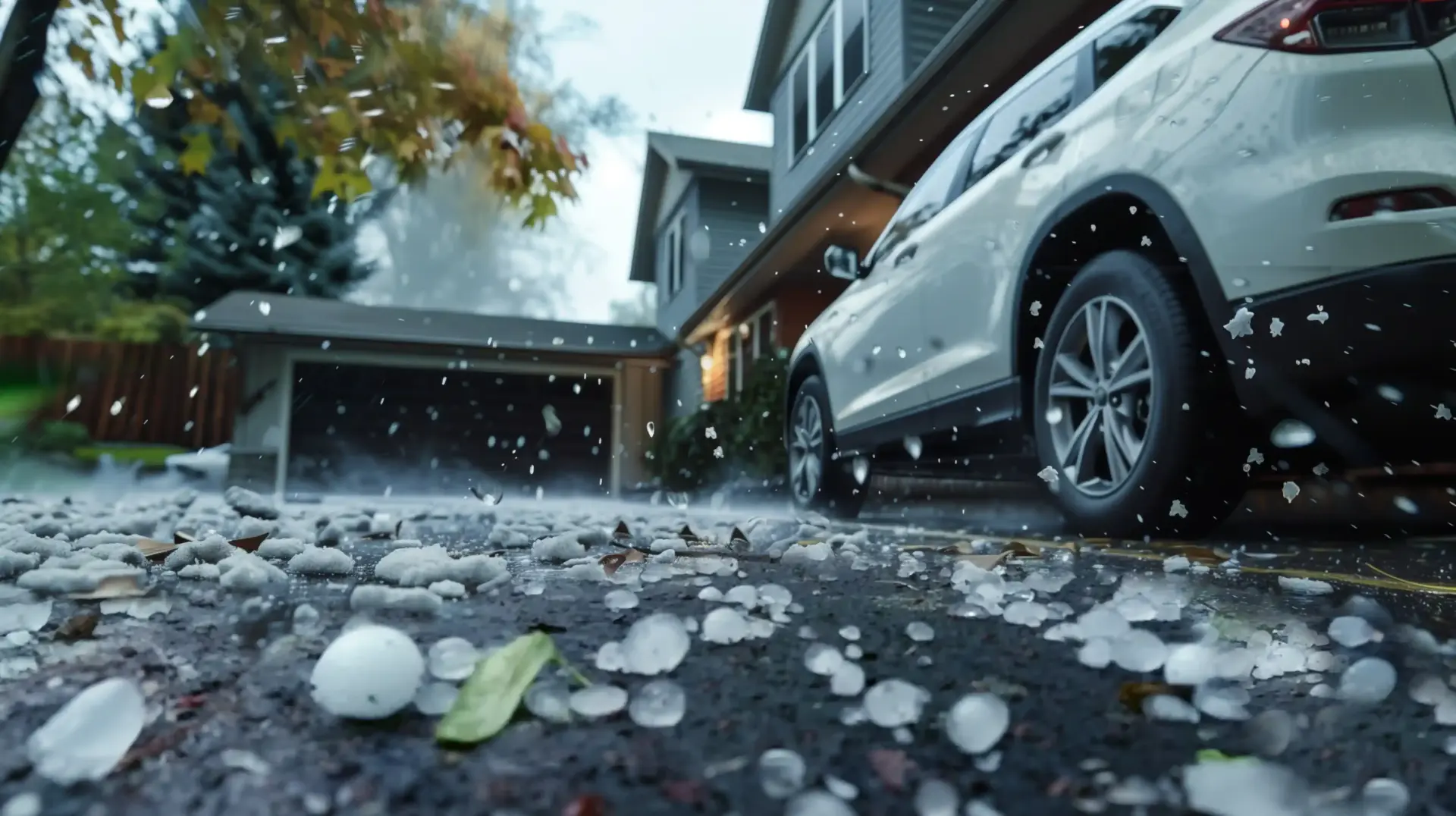
One of the most frustrating problems with hail damage is that it’s not always obvious. After a storm, your vehicle might look perfectly fine at first glance, but small dents and hidden imperfections can go unnoticed for a while until they suddenly catch your eye one day. Knowing how to check your car for hail damage early can help you avoid potential long-term issues, protect your vehicle’s value, and determine whether paintless dent repair is what your car needs.
If you live in Austin or the surrounding cities in Central Texas, you’re likely already familiar with the area’s sporadic and occasionally intense weather, so a proper hail storm damage assessment is especially important to keep your vehicle in its best shape.
Why Subtle Hail Damage Is Easy to Miss
When you think of hail damage, most people assume it always results in large dents and broken, cracked glass. While this is definitely a possibility, especially in Texas, smaller hailstones are usually the main culprit, often leaving shallow dimples that blend into your vehicle’s body lines and are very difficult to see without proper lighting. These minor dents might not seem like a big deal, but they can impact resale value and worsen over time if paint damage leads to rust.
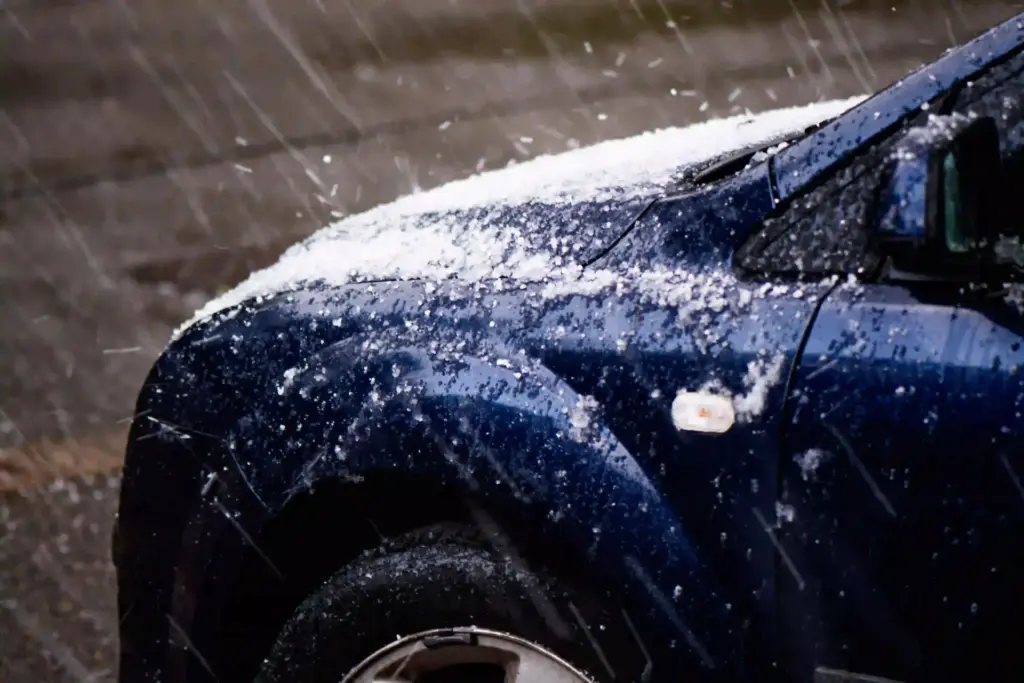
How to Check Your Car for Hail Damage
A careful inspection is the first step in identifying hidden damage. Here is how to properly evaluate your vehicle after a storm.
Inspect in the Right Lighting
The right lighting is essential for spotting subtle dents. Park your vehicle in indirect sunlight or inside a garage with bright overhead lights, because low-angle lighting makes small imperfections much easier to see.
Look at your car from different angles and move around it slowly, as dents often only appear from certain viewpoints.
Focus on Horizontal Panels First
To begin, examine the areas that are most exposed to hail impact, such as:
- Roof
- Hood
- Trunk
These flat surfaces take the brunt of the direct force of falling hail and are the most likely places for damage to appear.
While it sounds obvious, do not forget the roof. It can be harder to see on larger vehicles, but it’s one of the most commonly damaged areas and often the most overlooked.
Look for Small Dents and Dimples
The most common sign of hail damage is small, round indentations in the metal surface, but as we mentioned before, these dents may be shallow and difficult to notice at first glance.
Noticing even a few minor dings and dents can indicate more widespread damage throughout the vehicle.
Check Reflections for Distortion
One of the easiest ways to detect subtle hail damage is by looking at how light reflects off your car. Stand at an angle and watch the reflection across the panels. If the reflection appears wavy or distorted, there may very well be some underlying dents.
This method is especially helpful on lighter-colored vehicles, where dents are harder to see.
Run Your Hand Over the Surface
With very minor damage, visual inspection is not always enough. To add another layer of inspection, gently run your hand along the hood, roof, and doors. If the surface feels uneven or slightly bumpy, there is likely hail damage even if you can’t clearly see it.
Inspect Paint for Chips or Cracks
Hail does not always leave the paint untouched. In some cases, it can cause:
- Small chips
- Hairline cracks
- Weak spots in the clear coat
Paint damage is a crucial part of your hail storm damage assessment because it can expose your vehicle to rust and corrosion that will only spread and worsen over time if left untreated.
Check Glass and Exterior Components
While subtle hail damage often affects metal panels, you should also take care to inspect:
- Windshield and windows for chips
- Side mirrors and trim
- Headlights and taillights
Even minor cracks can spread over time and lead to more expensive repairs.
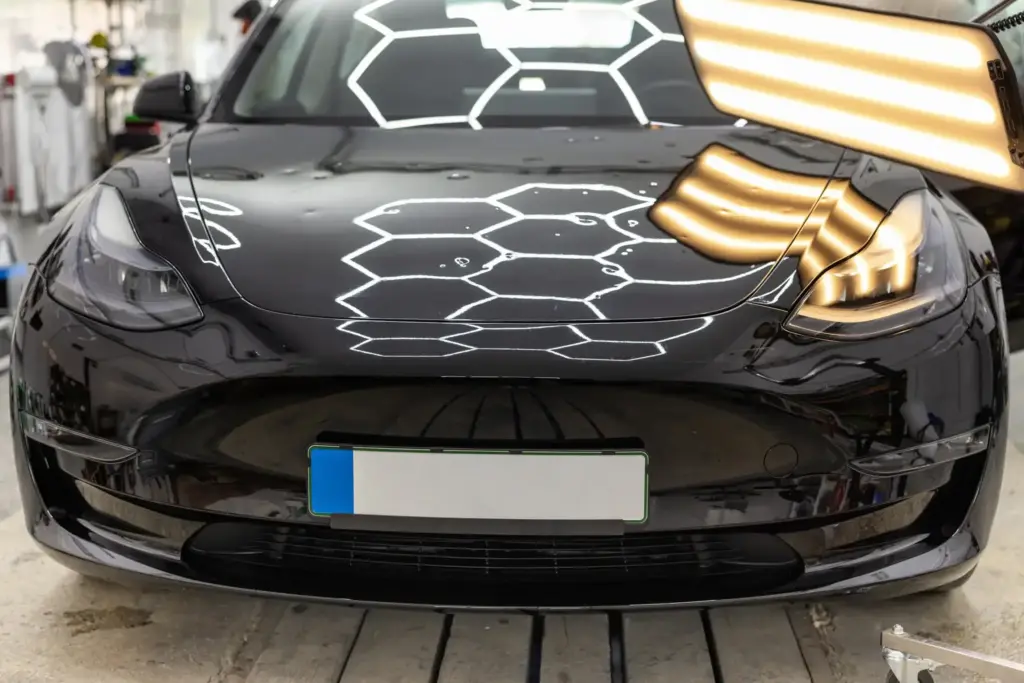
Signs Your Dent Needs PDR
Paintless Dent Repair is one of the most effective ways to fix hail damage, but unfortunately, not every dent is a good candidate for it. Here are the typical signs your dent needs PDR:
The Paint Is Still Intact
If there are no cracks or chips in the paint, Paintless Dent Repair is usually the best solution. PDR works by gently massaging and reshaping the metal back to its original form without repainting.
Dents Are Shallow and Smooth
Small, shallow hail dents are ideal for PDR. These types of dents can very often be removed without affecting the original finish.
Damage Is Spread Across Multiple Panels
Hail damage often appears in clusters across the roof, hood, and trunk. PDR is especially effective at repairing multiple dents, typically much quicker than a traditional body shop.
No Sharp Creases or Severe Impact Points
If the dent has sharp edges or deep creases, traditional repair methods may be required instead of PDR.
When to Schedule a Hail Storm Damage Assessment in Austin
You can always inspect your own vehicle to check car for hail damage, but if in doubt, it’s always a good idea to schedule a professional inspection. Professionals use specialized lighting and tools to detect dents that are nearly invisible to the naked eye.
Early detection of these minor dents can help you:
- File an accurate insurance claim
- Prevent further damage
- Restore your vehicle before issues worsen
In areas like Austin, where hailstorms can be unpredictable, timely inspections are key to protecting your vehicle.
Subtle hail damage is easy to overlook but can have lasting effects on your car’s appearance and value. By learning how to check your car for hail damage and understanding the signs your dent needs PDR, you can take action before small issues turn into costly repairs.
If you suspect damage after a recent storm, a professional hail storm damage assessment in Austin can give you peace of mind and help you determine the best path forward. That’s where Hail-Tech PDR comes in. Give us a call at 512-817-6357 or contact us online!