
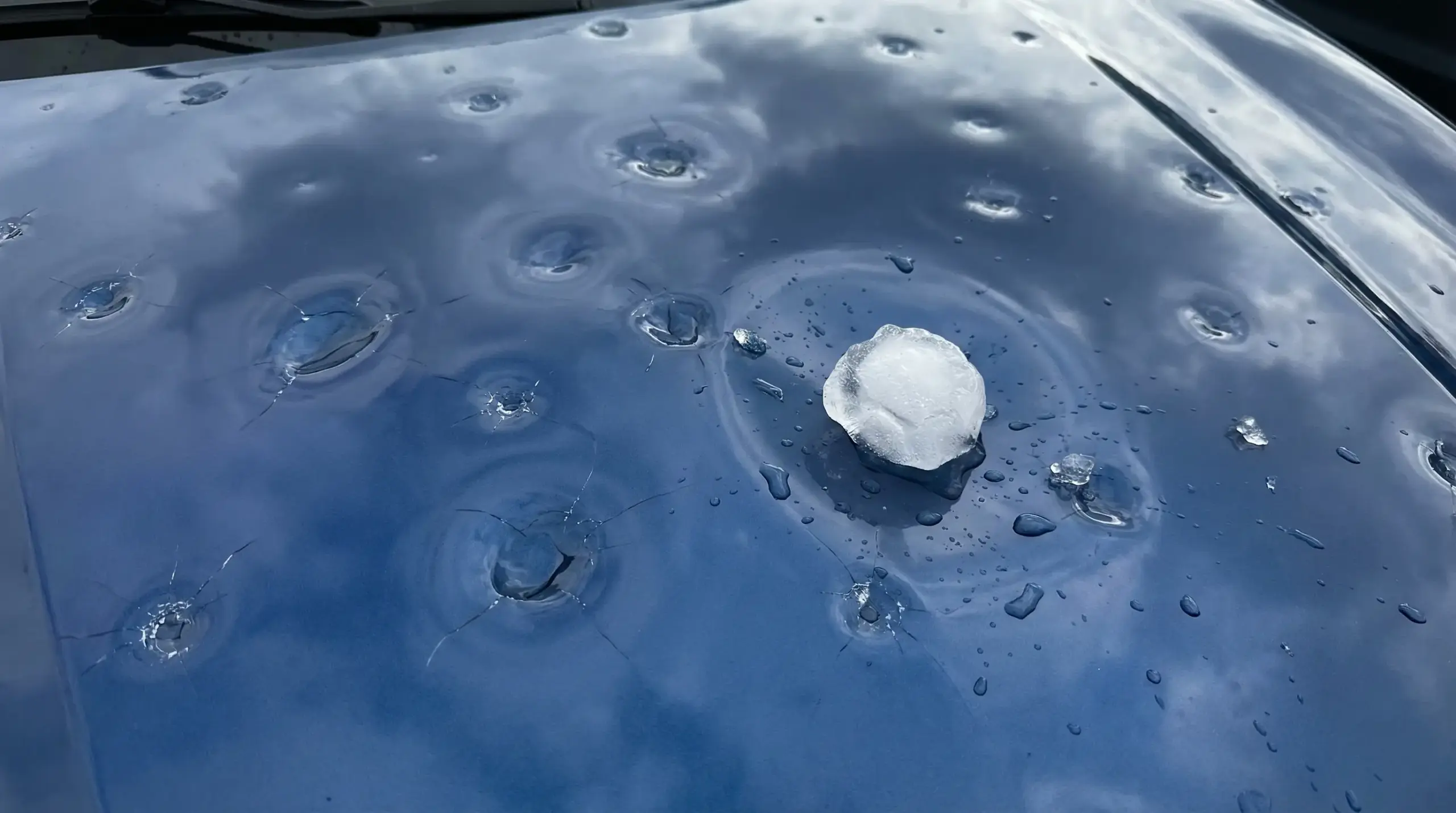
If a hailstorm or a stray shopping cart just left your car covered in dings, the estimate you get back from a repair shop can look like a wall of numbers and shorthand. Knowing how to read a PDR estimate is the difference between approving a fair repair and paying for work you don’t actually need.
Whether you’re comparing quotes after a storm or filing an insurance claim, this guide breaks down what should be on that estimate, what it means, and which details deserve a second look before you sign anything.
What a PDR Estimate Actually Covers
A paintless dent repair estimate is meant to give you a clear picture of the damage and the plan to fix it, not just a total dollar figure. A trustworthy estimate typically includes:
- A dent count, often broken down by size (small, medium, large) since pricing is usually tied to dent size and depth rather than a flat per-panel rate
- A list of which panels are affected, such as the hood, roof, trunk, or doors
- Labor hours or a labor estimate based on the complexity of the repair
- Any panels that may require traditional bodywork instead of PDR, with an explanation why
- Total cost, along with insurance deductible information if the repair is being filed as a claim
If your estimate only shows a lump sum with no breakdown, that’s worth asking about before you approve anything.
Breaking Down the Line Items on Your Estimate
Once you have the estimate in hand, it helps to know what each section is actually telling you.
- Dent count and size: Technicians typically measure dents in categories like dime, nickel, quarter, or half-dollar size. Larger and deeper dents take more time to correct, which affects the price per dent.
- Panel-by-panel pricing: Some shops price by individual dent, others price by panel once dent density gets high enough. Either method is standard, but the estimate should tell you which one is being used.
- Access and complexity notes: Certain areas, like tight body lines or spots near trim and moldings, take longer to reach with PDR tools. These are sometimes flagged separately since they add labor time.
- Non-PDR items: If a panel has cracked paint, sharp creases, or damage that’s too deep for paintless repair, it should be called out separately with an explanation, not folded into the PDR total.
How a Hail Storm Damage Assessment Works in Austin
Austin sits in one of the more active hail corridors in the state, which is part of why a proper hail storm damage assessment matters so much here. When a technician evaluates your vehicle after a storm, they’re not just counting dents. They’re checking for:
- Dent density and distribution across each panel, since heavy clustering can change whether PDR alone will fully restore the panel
- Depth and sharpness of each dent, which affects whether the metal can be pushed back without cracking the paint
- Panels with pre-existing damage, so old dents don’t get confused with new hail damage on your claim
- Areas hidden from a quick walk-around, like the roof edges, hood seams, and trunk lid, where hail damage is easy to miss
This kind of thorough assessment is what a written estimate should actually reflect. If your hail damage repair estimate was put together after only a quick glance at the car, it’s worth asking for a more detailed inspection before you approve the work or submit it to your insurer.
Car Hail Damage Inspection Austin Drivers Can Trust
Not every inspection is created equal, and the quality of the inspection shapes the quality of the estimate that follows. A dependable car hail damage inspection in Austin should include:
- Good lighting, ideally a PDR light board or reflective panel, since hail dents are notoriously hard to see under flat daylight
- A full walk-around of the vehicle, not just the hood and roof
- Photo documentation of the damage, which is especially important if you’re filing an insurance claim
- A clear explanation of the technician’s findings, in plain language, before the estimate is finalized
If you’re still deciding whether your vehicle needs paintless repair or something more involved, our post on signs your dent needs PDR vs. traditional bodywork walks through how to tell the difference.
Red Flags to Watch Out For in a PDR Estimate
Most PDR shops are straightforward, but it’s still worth knowing what a questionable estimate looks like. Keep an eye out for:
- Vague totals with no dent count or panel breakdown. You should be able to see roughly how the number was calculated.
- Pressure to sign immediately. A fair estimate should hold up whether you sign today or take it home to compare with another shop.
- No mention of a warranty. Reputable PDR work is typically backed by a warranty, and its absence from the estimate is worth asking about.
- Estimates that seem unusually low. A price far below every other quote can mean rushed work, incomplete repair, or hidden add-on fees later.
- No documentation offered for insurance purposes. If you’re filing a claim, your estimate should include the kind of photo and line-item detail your insurer will expect to see.
Questions to Ask Before You Sign
Before approving a PDR estimate, it’s reasonable to ask the shop a few direct questions:
- How was the dent count determined, and can I see the damage that’s being billed?
- Does this estimate include a warranty, and what does it cover?
- Are any of these panels going to need traditional bodywork instead of PDR?
- If I’m filing an insurance claim, will this estimate include the documentation my insurer needs?
A shop that’s confident in its work should be able to answer all of these clearly and without hesitation.
FAQ
How long is a PDR estimate usually good for?
Most shops honor an estimate for a set window, often 30 to 90 days, since parts and labor pricing can shift over time. Ask your shop directly so you know your timeline.
Can I use one shop’s estimate to get insurance reimbursement, even if I choose a different shop for the repair?
In many cases, yes, since it’s the documented damage that matters most to your insurer. Check with your specific insurance provider to confirm their process.
Will my estimate change once repair work actually begins?
It can, if the technician finds additional damage once panels are properly lit and inspected up close. A reputable shop will explain any changes before doing extra work, not after.
Getting an Estimate You Can Actually Understand
A PDR estimate shouldn’t feel like a mystery. Once you know what the line items mean and what a thorough hail storm damage assessment actually looks like, it’s much easier to spot a fair quote and ask the right questions before you approve any work. If your car has fresh hail dents or dings and you want a clear, detailed estimate from technicians who explain their findings in plain language, Hail-Tech PDR is here to help. If you’re navigating the claims process at the same time, our guide on how to file a hail damage insurance claim in Texas covers what to expect next.